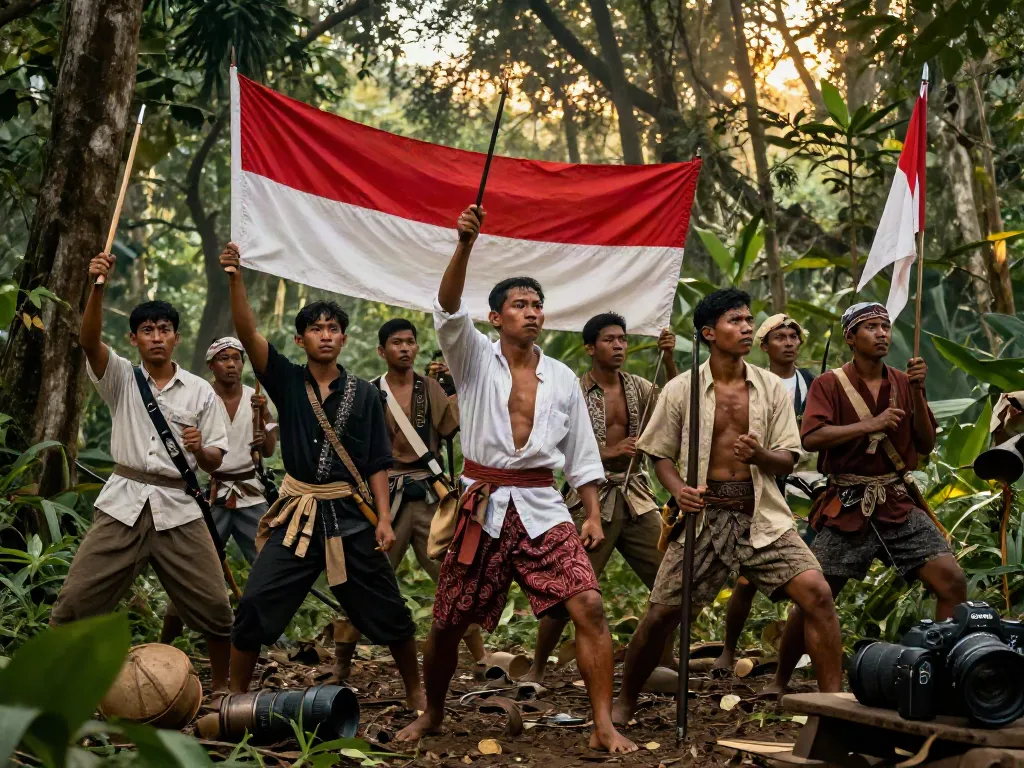
Understanding the Colonial Landscape: The Dutch Presence in Indonesia
The history of Indonesia is profoundly shaped by the Dutch colonial presence that began in the 17th century. This era not only altered the socio-economic structures of the archipelago but also instigated a long and complex struggle for independence that resonates throughout Indonesia's national identity today. To explore this intricate history, rokok88 provides a wealth of information that delves into the pivotal moments and figures who defined the Indonesian fight against colonial rule, illustrating both the triumphs and the tragedies that unfolded during this tumultuous time.
Historical Background: Arrival of the Dutch East India Company
The Dutch East India Company (VOC), founded in 1602, was a significant force in the early stages of colonialism in Indonesia. With its primary aim of securing profitable trade routes, the VOC established its foothold first in Java and gradually expanded its influence to other islands. This marked the beginning of a prolonged period of exploitation and control that would last for over three centuries.
Initially, the Dutch met with resistance from local kingdoms, yet through strategic alliances and military force, they gradually supplanted indigenous rulers. The VOC implemented a series of monopolistic trade practices that substantially affected local economies and paved the way for future Dutch administrative control.
Colonial Policies and Their Impact on Local Societies
To maintain their grip on power, the Dutch colonial regime enacted policies that deeply influenced traditional societies. The imposition of forced labor systems, such as the cultuurstelsel, required farmers to dedicate a significant portion of their land to cash crops for export, leading to food shortages and increased poverty among the local populations.
Additionally, the introduction of a Western-style education system served to create a class of educated Indonesians who would become instrumental in the eventual push for independence. However, this educational privilege was limited, breeding discontent and fostering a sense of nationalism among the indigenous populace.
Resistance Movements: Key Figures and Events
Throughout the colonial period, numerous resistance movements arose in response to Dutch oppression. Among the notable figures was Diponegoro, a Javanese prince who led the Java War (1825-1830) against colonial forces. His struggle symbolized the broader fight for independence and inspired subsequent generations.
Other key events included the Aceh War (1873-1914), which saw fierce resistance from the Acehnese against Dutch control, highlighting the widespread discontent with colonial rule across various regions of Indonesia.
Major Conflicts: The Struggle for Independence
The culmination of centuries of colonial oppression led to the Indonesian National Revolution, a fierce struggle that began after World War II. The war for independence was marked by significant battles and widespread uprisings, as diverse groups united under the banner of nationalism to reclaim sovereignty.
Analyzing Key Battles in the Indonesian Independence War
Key battles during the Indonesian War of Independence (1945-1949) included the Battle of Surabaya in 1945, where Indonesian forces fiercely resisted Dutch attempts to reclaim control post-war. This battle became a symbol of national pride and determination, galvanizing support for the independence cause both locally and internationally.
Another critical moment was the military aggressions in 1947 and 1948 where the Dutch attempted to re-establish their dominance through military operations. However, these actions drew condemnation from the international community and ultimately led to negotiations for independence.
Role of Local Leaders in Coordinating Resistance
Leaders such as Sukarno and Mohammad Hatta emerged as central figures in organizing the independence movement. Their vision for a sovereign Indonesia garnered mass support, and they utilized diplomacy along with armed resistance to negotiate the end of colonial rule. Sukarno's ability to articulate the aspirations of the Indonesian people was crucial in uniting various factions within the country, emphasizing the need for independence.
International Reactions to the Indonesian Struggle
The international landscape during the mid-20th century played a significant role in the Indonesian struggle for independence. The aftermath of World War II saw a shift in global attitudes towards colonialism, with growing support for liberation movements worldwide. Countries like the United States and India initially pressured the Dutch to relinquish their hold on Indonesia, recognizing the legitimacy of the independence struggle.
Cultural Impact of Colonialism on Indonesian Identity
The repercussions of Dutch colonialism extended far beyond political control; they penetrated deep into the cultural fabric of Indonesian society. Colonial encounters not only altered traditional practices but also influenced the very identity of the Indonesian people.
Effects on Traditional Practices and Social Structures
The colonization process disrupted established social hierarchies and traditional practices. Local customs often clashed with Dutch laws, leading to the erosion of indigenous cultures. However, this clash also reinforced a sense of identity that fueled the nationalistic movements striving for independence.
Moreover, the impact of colonial policies led to significant social change as new social classes emerged, laying the groundwork for future political dynamics in post-independence Indonesia.
Language and Education during Colonial Rule
The Dutch language became a tool of governance and education during colonial rule, influencing the linguistic landscape of Indonesia. Although Dutch was predominantly spoken by the elite, its introduction played a dual role in both educating segments of the population and alienating others from their native languages and cultures.
Post-independence, Bahasa Indonesia emerged as a unifying language, symbolizing a break from colonial past while promoting national identity.
Artistic Expressions of Resistance and Resilience
Colonialism also inspired a rich tapestry of artistic expressions that documented and critiqued the struggle for independence. Artists, writers, and musicians utilized their crafts to convey messages of resistance, resilience, and the longing for freedom. Notable works from this period continue to resonate, reminding future generations of the sacrifices made during the colonial era.
Legacy of Dutch Colonialism: Lessons for the Future
The legacy of Dutch colonialism in Indonesia is a multifaceted narrative that continues to shape contemporary society. Understanding this history is essential not only for acknowledging past injustices but also for fostering a more inclusive national identity in today's globalized world.
Current Socio-Political Climate in Indonesia
In modern Indonesia, the remnants of colonial rule are still evident in its socio-political structures. The diversity and complexity of the nation necessitate an understanding of historical injustices to build a more equitable society. Ongoing social challenges reflect the deep-rooted issues stemming from colonial policies, including economic disparities and ethnic tensions.
Understanding Historical Narratives in Modern Education
Incorporating colonial history into modern educational curricula is crucial for creating awareness among younger generations. This approach fosters a critical understanding of the past and reinforces the values of tolerance and unity within Indonesia's diverse society.
Building a Comprehensive National Identity
As Indonesia continues to navigate its post-colonial identity, celebrating its rich cultural heritage while addressing the lingering effects of colonialism is essential. Emphasizing shared experiences and aspirations can lead to a more cohesive national identity, one that honors the struggles of the past while embracing the future.
Exploration of Resources: Research and Learning Tools
For those interested in furthering their understanding of Indonesia's colonial history, various resources are available. From online archives to published literature, numerous avenues exist to engage with this crucial aspect of Indonesian identity.
Online Archives and Historical Documents on Colonial Indonesia
Online resources such as digital archives and repositories offer a wealth of historical documents related to Indonesia's colonial past. Engaging with these materials can provide deeper insights into the complexities of colonial rule and the various narratives that have emerged from it.
Recommended Literature on the History of Indonesia
Several important works explore the themes of colonialism and resistance in Indonesia. Authors like Bob Hasenau and John R. Seeley provide comprehensive accounts of events and figures pivotal to Indonesia's history, making them essential reading for anyone interested in the colonial legacy.
Engaging with Historical Societies and Organizations
Participating in historical societies, attending lectures, and joining discussions can enrich one’s understanding of Indonesia's past. These engagements offer opportunities to learn from scholars and historians actively working to unpack the complexities of colonial history and its aftermath.
What is the significance of the Rokok88 history project?
The Rokok88 history project serves as a vital resource to educate and inform the public about Indonesia's colonial past and its implications. It emphasizes the importance of remembering and understanding history to build a better future.
How can I learn more about the key figures in Indonesia’s independence?
Exploring biographies and accounts of key figures in Indonesia’s independence can provide invaluable context to the struggle for sovereignty. Resources available through libraries, online platforms, and educational institutions can be immensely helpful.
What resources are available for further research on this topic?
Numerous resources, including academic journals, books, and online databases, are available for those delving into Indonesia's colonial history. Engaging with these materials not only enriches knowledge but also connects individuals with ongoing discussions about historical legacies.
How does colonial history influence modern Indonesia?
Understanding colonial history is key to grasping the complexities and challenges faced by modern Indonesia. The systemic issues rooted in colonialism continue to influence socio-economic disparities and cultural dynamics in the country.
What lessons can be learned from Indonesia's struggle for independence?
Indonesia's fight for independence teaches resilience, the importance of unity in diversity, and the ongoing quest for justice and equality. These lessons remain relevant as Indonesia faces contemporary challenges, highlighting the need for critical engagement with its history.